

Estimated Reading Time: 8 minutes
Introduction
In a move that could redefine urban mobility, Tesla has officially launched its limited Robotaxi service in Austin, Texas. The city, known for embracing innovation, has become the testing ground for one of Elon Musk’s most ambitious promises — a fully autonomous ride-hailing platform.
Though still in its early stages, this service marks Tesla’s first real-world deployment of its Full Self-Driving (FSD) technology in a commercial ride-hailing context, and the world is watching closely. This isn’t just about moving people; it’s about changing the paradigm of personal transportation.
What Is Tesla’s Robotaxi Service?
Tesla’s Robotaxi service refers to the use of fully autonomous electric vehicles (EVs) that can pick up passengers, drive them to destinations, and operate without human input. Unlike traditional ride-hailing services such as Uber or Lyft that rely on human drivers, Tesla’s Robotaxis are powered by the company’s Full Self-Driving suite.
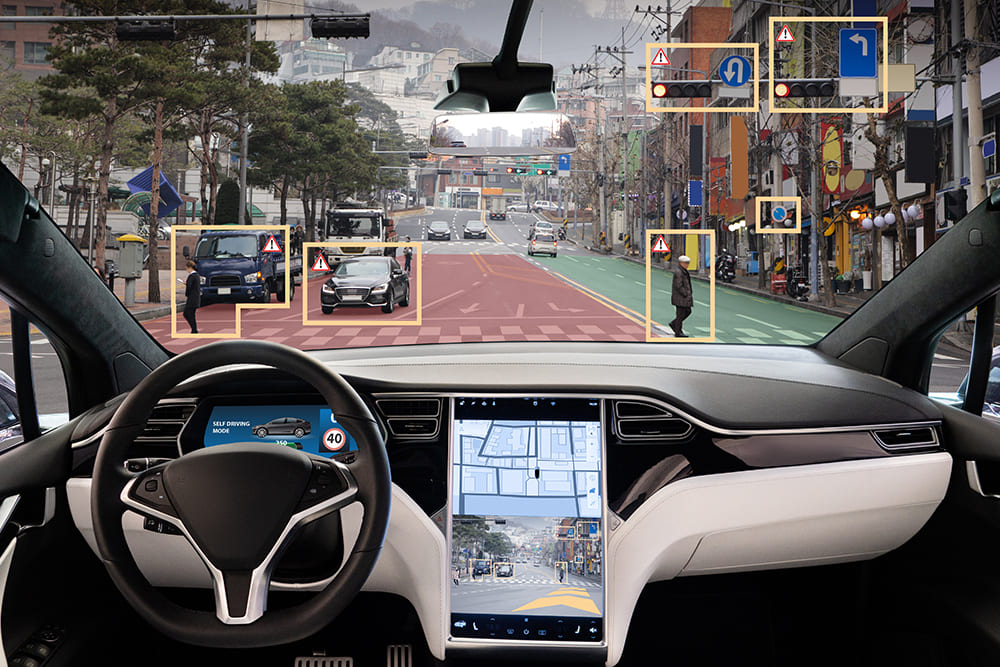
These vehicles are equipped with advanced neural networks, AI-based perception systems, and real-time decision-making algorithms, allowing them to navigate city streets, respond to traffic conditions, and ensure passenger safety — all without a driver.
The concept has long been teased by Elon Musk, who envisioned a future where your Tesla could earn you income by becoming a part of the shared Robotaxi network when you’re not using it. With this Austin launch, that vision inches closer to reality.
How It Works: Key Features of the Austin Robotaxi Launch
Tesla’s Robotaxi service in Austin is currently available to a select group of users under a controlled beta program. Here’s how it works:
1. App-Based Booking
Users can hail a Tesla Robotaxi using the Tesla app, much like summoning an Uber. The app provides real-time tracking, estimated time of arrival, and vehicle information. The user receives a notification when the car arrives — without a driver.
2. Vehicles Used
The fleet primarily consists of Model 3 and Model Y units, equipped with Tesla’s latest FSD Beta software. These models were chosen for their affordability, size, and adaptability to urban streets. Internally, the cars are modified to create a premium, ride-hailing-optimized experience.
3. Pickup and Drop-Off Zones
Service is currently limited to downtown Austin and select surrounding neighborhoods with geo-fenced boundaries. This is to ensure the system performs reliably in a highly mapped and monitored environment. Expansion will depend on successful data collection and system refinement.
4. Safety Monitoring
Tesla employs real-time ride monitoring through a network operations center. While there’s no driver, each vehicle is tracked and can be remotely paused or rerouted. The system can alert human operators if a situation requires intervention.
5. Pricing
Tesla has kept the pricing competitive with Uber and Lyft, with rates starting around $1 per mile and introductory discounts. Over time, Musk envisions dramatically lower costs as scale increases and dedicated Robotaxi models come online.
Why Austin?
Tesla’s decision to launch the Robotaxi service in Austin is strategic:
- Innovation-Friendly Ecosystem: Austin has a strong track record of embracing innovation, especially in mobility and smart cities.
- Presence of Gigafactory Texas: Tesla’s massive manufacturing facility outside Austin offers support, engineering, and logistical proximity.
- Supportive Legal Climate: Texas laws are more permissive toward autonomous vehicle testing compared to many other states.
- Urban Growth: As Austin expands, traffic congestion and urban mobility have become critical challenges.
With a mix of tech talent, infrastructure, and openness to experimentation, Austin offers Tesla a unique urban testbed for its boldest transportation ideas.
Benefits and Disruption Potential
Tesla’s Robotaxi initiative brings numerous potential benefits. Here’s a deeper dive:
1. Lower Transportation Costs
Eliminating the human driver significantly reduces operating costs. Tesla’s long-term goal is to offer rides for under $0.20 per mile, making it more affordable than car ownership or public transport for many.
2. Reduced Traffic Congestion
Robotaxis can be coordinated via the cloud, allowing for smoother traffic flow, fewer stop-and-go situations, and more optimized routing — especially during peak hours.
3. Improved Road Safety
Most car accidents are caused by human error. Tesla’s autonomous system doesn’t get tired, distracted, or intoxicated. It uses 360-degree vision and machine learning to avoid collisions and obey traffic rules with high precision.
4. Environmental Impact
Every Robotaxi is electric, drawing power from renewable energy sources where possible. Mass adoption could significantly lower greenhouse gas emissions, particularly in urban cores.
5. Job Creation in New Fields
While some jobs may be displaced, others are being created — such as in autonomous fleet maintenance, remote operations, AI systems training, and mobility infrastructure development.
Concerns and Controversies
Despite its promise, Tesla’s Robotaxi project is not without criticism:
1. Regulatory Oversight
Autonomous driving laws differ significantly by state and country. A lack of national standards has created uncertainty. Tesla must constantly navigate a maze of local ordinances and approval requirements.
2. Safety Concerns
Tesla’s Full Self-Driving suite remains in beta, raising questions about its readiness for full autonomy. Critics argue that deploying Robotaxis at this stage is risky, especially without trained operators inside.
3. Data Privacy
Robotaxis collect vast amounts of data — from cameras, microphones, GPS, and in-vehicle sensors. How this data is stored, shared, or anonymized is a major concern for privacy advocates.
4. Job Displacement
Widespread adoption could displace millions of drivers globally. While Tesla promotes new job creation, transition plans for affected workers remain unclear.
5. Ethical Dilemmas
In a critical situation, how should a Robotaxi choose between potential outcomes? Without transparent ethical protocols, these decisions become controversial flashpoints.

Future Expansion Plans
Elon Musk has confirmed that Tesla intends to expand the Robotaxi program nationwide and globally. Cities likely next in line include:
- San Francisco: High population density and tech-friendly governance.
- Las Vegas: Already a test ground for other autonomous services like Waymo and Motional.
- Miami: Favorable climate and urban layout.
- New York City: High demand, though complex regulatory hurdles remain.
In parallel, Tesla is developing a dedicated Robotaxi model, expected to have:
- No steering wheel or pedals
- Lounge-style seating
- Larger display interfaces
- Optimized space for ride-sharing comfort
This model could be unveiled as early as 2026.
Market Implications
The success of Tesla’s Robotaxi fleet could send shockwaves across multiple industries:
- Rideshare Companies: Uber and Lyft may need to pivot toward autonomous strategies or partnerships.
- Automakers: Competitors will face pressure to accelerate their AV timelines.
- Cities: Urban planning and traffic management will evolve to accommodate autonomous fleets.
- Investors: Robotaxis could unlock billions in SaaS revenue for Tesla, shifting its valuation from auto manufacturer to mobility-as-a-service (MaaS) leader.
Expert Commentary
Dr. Rajeev Singh, Autonomous Systems Engineer:
“Tesla’s Robotaxi model could fundamentally change mobility as we know it. But safety must remain priority #1.”
Laura James, Mobility Futurist:
“Launching in Austin is a brilliant strategy — it gives Tesla real-world feedback in a progressive city with supportive policies.”
MIT Technology Review:
“If Tesla can scale this tech safely, it won’t just lead the EV market — it will dominate mobility.”
FAQs
Is Tesla’s Robotaxi fully driverless?
Yes, in this pilot program, no human driver is present in the vehicle.
Can anyone in Austin book a Robotaxi?
No, it’s currently available to selected users under an invitation-only beta test.
What happens if something goes wrong during a ride?
Tesla has remote operators and emergency protocols to monitor and intervene if needed.
Will this service expand to other cities?
Yes, Tesla plans to roll it out in several other urban centers soon.
How safe is Full Self-Driving technology?
It’s still under evaluation, though Tesla claims its safety record improves with every mile driven.
Will Robotaxis eventually replace all human drivers?
Not immediately. The transition will be gradual, and human-driven vehicles will likely coexist with autonomous ones for years.
What are the vehicle interiors like?
Modified Tesla interiors for Robotaxis feature touchscreen entertainment, ambient lighting, and extra legroom.
Conclusion
Tesla’s limited Robotaxi launch in Austin is a critical milestone in the journey toward autonomous, sustainable urban transportation. While there are technical, regulatory, and ethical challenges ahead, the early results of this beta test will shape Tesla’s roadmap for years to come.
If successful, it could revolutionize how we think about commuting, owning vehicles, and interacting with city infrastructure. As Austin residents begin their journeys in fully autonomous EVs, the world watches — and waits — for the next turn.
The race to a driverless future is officially on, and Tesla has made its move.



One response to “Tesla Launches Limited Robotaxi Service in Austin”
Very Insightful.