

Estimated Reading Time: 6 minutes
Introduction
Imagine watching your favorite movie on a screen that not only dazzles your eyes with ultra-vivid visuals but also delivers sound directly from the pixels themselves. It sounds like science fiction—but it’s now a reality. OLED displays, already celebrated for their rich contrast and stunning visuals, are undergoing a dramatic transformation with the advent of pixel-level audio output technology. Dubbed as “Sound-from-Pixel” OLEDs, this innovation could redefine how we experience audiovisual content.
Leading manufacturers like LG Display, Sony, and BOE are pioneering this breakthrough, merging two sensory experiences—sight and sound—into a seamless, immersive interface.
In this blog, we’ll break down what this tech really means, how it works, its applications, the challenges it faces, and its implications for the future of screens. Let’s dive in.
What Are OLED Screens with Pixel-Level Audio?
OLED stands for Organic Light Emitting Diode, a type of screen technology where each pixel emits its own light. Unlike traditional LED displays that rely on backlighting, OLED panels offer true blacks and better contrast because individual pixels can be turned on or off.
In the new evolution, manufacturers have embedded vibrating actuators or piezoelectric elements directly into the pixel matrix. This allows the screen itself to vibrate at micro-levels, producing sound waves without the need for external speakers.
This is also referred to as:
- Pixel Audio Technology
- Cinematic Surface Sound
- Crystal Sound OLED (Sony’s branding)
- Actuator Sound Technology
Essentially, the screen becomes the speaker.
Read more: techxplore
How Does Pixel-Level Audio Work?
1. Piezoelectric Actuators Embedded in OLED Layers
These tiny actuators vibrate when electric current passes through them. By embedding them into the screen layer, each pixel or group of pixels can produce vibrations that translate into sound.
2. Micro Resonance Panels
Some versions use ultra-thin transparent panels laminated on the OLED that resonate at specific frequencies.
3. Directional Sound Engineering
Because the sound is emitted directly from where the visuals are playing, it creates a more immersive experience. For example, if a character on the left side of the screen speaks, the audio appears to come from that exact location.
4. AI Tuning
AI-based sound optimization calibrates the vibration across thousands of pixels, ensuring that the sound quality remains clear and distortion-free.
Why Is This Important?
Traditional screens rely on external speakers, soundbars, or rear-firing audio systems. These setups often create discrepancies between sound origin and visual source.
By using the screen itself as a speaker:
- Audio aligns perfectly with visuals.
- No need for bulky speaker grills or extra components.
- Immersive experience with surround sound illusion.
- Minimalistic device design.

Advantages of Sound-from-Pixel OLED Technology
1. Space Efficiency
No speakers needed means thinner, lighter devices—ideal for smartphones, tablets, and ultrathin TVs.
2. Better Sound Localization
Allows audio to be projected from the exact point of visual interaction.
3. Surround Sound Simulation
When combined with Dolby Atmos and AI algorithms, these screens can simulate multidirectional sound.
4. Eco-Friendly Design
Fewer components mean lower resource consumption during manufacturing.
5. Seamless Aesthetics
Great for edge-to-edge display design, especially in bezel-less phones and frameless TVs.

Current Manufacturers and Products
1. Sony – Crystal Sound OLED
- Available in their premium Bravia series.
- Uses actuators placed behind the OLED panel.
- Launched in select models across Japan, the US, and Europe.
2. LG Display – Cinematic Sound OLED (CSO)
- Demonstrated at CES 2024.
- Used in 77″ and 88″ premium displays.
- Also showcased in rollable OLED concepts.

3. BOE Technology
- China-based display giant entering the space.
- Recently unveiled a smartphone prototype with embedded audio pixels.
Applications Beyond Entertainment
The tech isn’t limited to TVs. Here are other areas being transformed:
1. Smartphones and Tablets
- Removes the need for speaker holes.
- Enables true edge-to-edge screens.
2. AR/VR Devices
- Enhances immersion by merging audio with visuals in head-mounted displays.
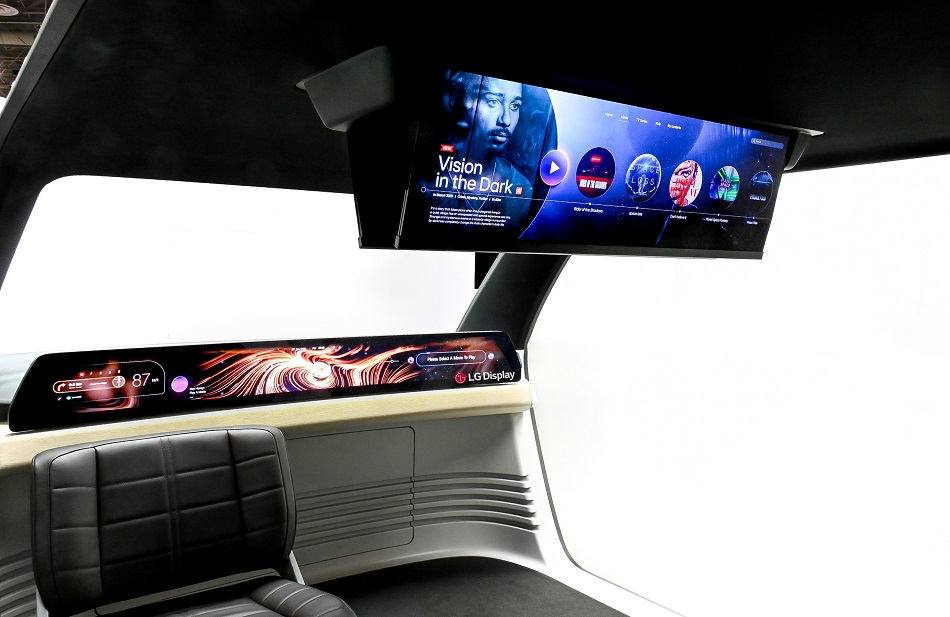
3. Automotive Displays
- Sound-from-dashboard navigation and alerts.
- Enables customizable audio zones in cars.
4. Gaming Monitors
- Competitive advantage for immersive audio cues in first-person shooters and VR gaming.
5. Public Displays and Kiosks
- Sleek advertising units with built-in sound.

Challenges and Limitations
Despite the buzz, pixel-level audio screens face several technical and commercial hurdles:
1. Sound Quality
- Low-frequency bass reproduction is still a challenge.
- External subwoofers may still be needed.
2. Power Consumption
- Vibration actuators consume more power compared to traditional speakers.
3. Durability
- The vibrating components could wear out over time.
4. Cost
- Still considered a premium feature; affordability is an issue for mass adoption.
5. Production Complexity
- Manufacturing OLED panels with integrated actuators adds a layer of complexity.

Comparison: OLED with Pixel Audio vs Traditional Displays
| Feature | Pixel Audio OLED | Traditional OLED + Speakers |
|---|---|---|
| Audio Source Alignment | Direct (From Visual Area) | Indirect (From Edges/Speakers) |
| Design Aesthetics | Seamless, Minimal | Bulky or Component-heavy |
| Sound Localization | Accurate | Generalized |
| Energy Efficiency | Moderate | Higher (if external systems) |
| Cost | Higher | Mid-to-High |
| Immersion Level | Very High | Medium to High |
Consumer Reaction and Market Trends
According to Display Supply Chain Consultants (DSCC), Pixel-Audio OLEDs are expected to grow by 22% CAGR over the next five years. A survey from TechRadar showed:
- 72% of early adopters found the experience more immersive.
- 61% would pay extra for the feature.
In India and other emerging markets, the interest is rising, especially for gaming and smart TV enthusiasts.
What Experts Are Saying
“This technology collapses the boundary between display and audio. It’s a leap toward truly unified electronics.” – Dr. Hiroshi Nakamura, OLED Innovator, Tokyo Tech
“While there are hurdles to scale, it’s a big step forward in how we think about interactivity and media.” – Sarah Klein, Audio-Visual Analyst, CNET
Future Outlook
The next five years are expected to bring significant enhancements to this technology:
- AI-Powered Acoustic Modeling: Real-time calibration based on room acoustics.
- Flexible OLED Panels with Sound: Bendable and rollable screens that also deliver audio.
- Hybrid Pixel and Laser Sound Systems: For enhanced bass.
Tech giants like Samsung and Apple are reportedly working on their own versions of this technology for tablets and foldable phones.
Conclusion
OLED screens with sound capabilities at the pixel level represent one of the most exciting evolutions in consumer electronics. By fusing audio and visual elements directly into the display, we are heading toward a more immersive, intuitive, and aesthetically pleasing tech ecosystem.
From televisions to mobile devices, and even into vehicles and wearables, “Sound-from-Pixel” OLEDs offer a glimpse of a future where devices are sleeker, smarter, and more synchronized with our sensory experience.
As manufacturing scales and the technology matures, it won’t be long before your next screen not only shows the world—but speaks it.


