

Estimated Reading Time: 10 minutes
Introduction
Electromagnetic heating represents one of the most transformative technologies reshaping how we approach thermal energy generation across industries worldwide. This innovative heating method harnesses the power of electromagnetic fields to generate heat directly within materials, offering unprecedented efficiency and precision compared to traditional heating systems. From industrial manufacturing to everyday household appliances, electromagnetic heating technology is revolutionizing our approach to energy consumption and thermal management.
Compared with the traditional methods of heating that are dependent on external heat sources and heat conduction, electromagnetic heating produces heat within the target material internally. This inherent difference renders electromagnetic heating much more efficient, quicker, and eco-friendly compared to conventional heating techniques.
Understanding Electromagnetic Heating Technology

Electromagnetic heating is an advanced thermal process that employs electromagnetic fields to produce heat directly inside conductive materials. This technology acts by electromagnetic induction, where alternating electromagnetic fields induce eddy currents inside electrically conductive materials, generating heat inside the material through electrical resistance.
The process starts with an electromagnetic field generator producing alternate electromagnetic waves at fixed frequencies. The waves enter the target material and cause electrical currents within the structure of the material. As these caused currents travel through the material’s electric resistance, they directly transfer electromagnetic energy into thermal energy, warming the material from the inside out, as opposed to surfaces outside in.
This self-heating process differentiates electromagnetic heating from traditional sources such as gas burners, electric resistance heaters, or steam boilers. Traditional heating uses external heat sources that have to deliver energy via conduction, convection, or radiation, usually resulting in high energy losses and imperfect heating patterns.
Types of Electromagnetic Heating Systems
Induction Heating Systems

Induction heating is the most commonly known electromagnetic heating technology. These devices create alternating magnetic fields with copper coils powered by high-frequency alternating current. Induced currents produce internal heating as conductive materials are exposed to these magnetic fields without any electrical contact.
Induction heating systems are used in a wide range of frequency levels, from the low-frequency use of 50-60 Hz for large-scale industrial processes to high-frequency systems above 1 MHz for localized precise heating applications. The choice of frequency is based on material characteristics, desired depth of heating, and process goals.
Microwave Heating Technology
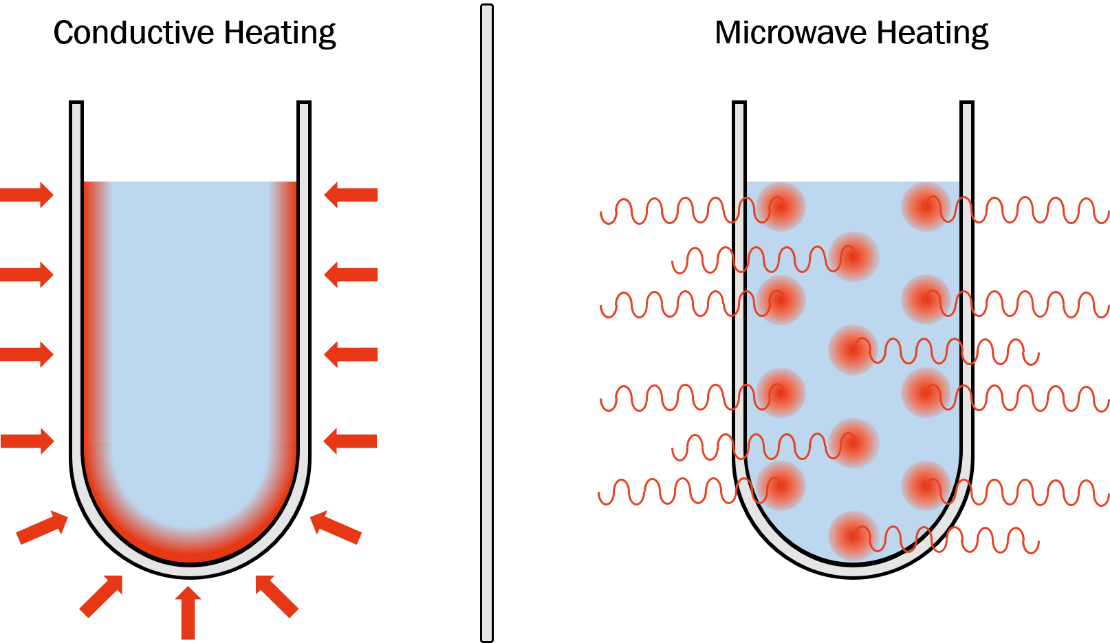
Microwave electromagnetic heating involves the use of electromagnetic radiation in the microwave frequency range, generally between 915 MHz and 2.45 GHz. The process heats substances by inducing rapidly vibrating polar molecules, especially water molecules, creating friction and heat internally.
Microwave heating has distinctive benefits in applications involving materials with moisture or polar chemicals. The electromagnetic waves penetrate the material and generate consistent internal heating, and this technology is most suitable for applications involving food processing, chemical reactions, and curing of composite materials.
Radio Frequency Heating

Radio frequency heating is lower in frequency than microwave systems at around 13.56 MHz and 40.68 MHz. The technology offers greater depth penetration and more even heating in thick materials or large-volume uses.
Radio frequency electromagnetic heating best suits uses where consistent heating in large volumes of material is necessary. Businesses use the technology in textile drying, wood treatment, and large-volume food processing where even heat distribution is needed.
Applications and Advantages in Industry
Production and Manufacturing
Manufacturing processes have adopted electromagnetic heating for a variety of production processes. Heat treatment of metals, welding, brazing, and forging operations are greatly favored by electromagnetic heating systems’ accuracy and efficiency. These processes obtain superior metallurgical characteristics at lower energy consumption and processing time.
Automotive production employs electromagnetic heating in component hardening, induction hardening of gear teeth, and assembly operations. The technology provides accurate temperature control and localized heating, enhancing the quality of the product as well as lowering production costs.
Chemical Processing Industry
Chemical processing processes utilize electromagnetic heating to speed up reactions, distillation, and separation processes. The consistent heating properties and accurate temperature control allow for enhanced reaction results and better product consistency.
Pharmaceutical processing is especially suited to the use of electromagnetic heating in terms of delivering sterile, controlled heat conditions. The absence of contact with surfaces eliminates contamination threats while providing even processing temperatures for sensitive materials.
Food Processing Applications
Food processing operations make use of electromagnetic heating in pasteurization, sterilization, cooking, and drying processes. Microwave and radio frequency heating systems maintain nutritional value while meeting demanded safety levels via uniform heat treatment.
Commercial food processing is advantageous with the quick heating powers and energy efficiency of electromagnetic systems. The technologies cut processing time, enhance product quality, and reduce energy usage in comparison to traditional heating approaches.
Technological Advantages
Energy Efficiency Superior Performance
Electromagnetic heating systems exhibit very high energy efficiency when contrasted with conventional heating systems. As heat is produced directly in the target material, electromagnetic heating systems avoid heat transfer losses inherent in conventional heating systems. Energy efficiency gains are generally greater than 50% in relation to gas or electrical resistance-based heating systems.
The instantaneous heat generation capability eliminates warm-up periods required by traditional heating systems. This characteristic significantly reduces energy waste during start-up and shut-down cycles, contributing to overall energy savings and improved operational efficiency.
Precision and Control Benefits
Current electromagnetic heating systems provide unparalleled accuracy of temperature control and heating uniformity. Computer-controlled systems allow for exact frequency adjustment, power modulation, and real-time temperature measurement. This degree of control guarantees repeatable processing outcomes and reduces material wastage.
Selective heating of particular regions or materials offers distinct processing benefits. Electromagnetic heating allows for selective material layers, components, or zones to be heated without disturbing adjacent regions, making it possible to perform advanced manufacturing techniques that are not feasible with traditional heating techniques.
Environmental Impact Reduction
Electromagnetic heating technology makes a valuable contribution to environmental sustainability by conserving energy and eliminating combustion-based heating. These systems emit no direct emissions, lessening carbon footprint and enhancing workplace air quality.
The enhanced energy efficiency directly corresponds to less greenhouse gas emissions during power generation. Companies using electromagnetic heating technology experience notable savings in their environmental footprint while equalling or enhancing production capacity.
Current Market Trends and Adoption
The world electromagnetic heating industry keeps witnessing accelerated growth in various industries. Industrial automation trends fuel growing usage of electromagnetic heating systems owing to their support for digital control systems and Industry 4.0 projects.
Market studies in recent times show remarkable growth in automotive, aerospace, and electronics production industries embracing electromagnetic heating technologies. The need for energy-efficient, highly controlled heating systems keeps propelling innovation and market growth.
Emerging nations in developing nations increasingly see the advantages of electromagnetic heating technology. Public policies that advance energy efficiency and environmental protection push the adoption process faster in these nations.
Future Prospects and Advances
Next-Generation Control Systems
Electromagnetic heating systems of the future will feature artificial intelligence and machine learning functions to deliver enhanced performance. Smart heating systems will adjust parameters automatically according to material characteristics, ambient conditions, and processing requirements.
Internet of Things integration will facilitate remote monitoring, predictive maintenance, and real-time optimization of electromagnetic heating systems. All these features will further enhance efficiency as well as lower operating costs.
Novel Application Development
Research continues evolving new applications for electromagnetic heating technology. New applications for electromagnetic heating technology include medical device sterilization, advanced materials processing, and renewable energy storage systems.
Nanotechnology integration offers ultra-high precision heating opportunities. Electromagnetic nanoscale heating has the potential to transform semiconductor production, biotechnology, and advanced materials research.
Sustainability Advancements
Future advancements aim to maximize sustainability potential using more efficient energy recovery mechanisms and renewable energy input. Electromagnetic heating systems will further use energy storage and recovery processes to maximize efficiency.
Future advanced materials research seeks to create novel electromagnetic heating applications based on sustainable materials and processing methods. Such innovations will further enhance the technology’s environmental advantages while creating new market opportunities.
Economic Implications and Cost Analysis
Initial Investment Considerations
Electromagnetic heating systems generally demand more initial capital investment than traditional heating equipment. Yet, careful cost analysis demonstrates beneficial return on investment in the form of energy savings, minimization of maintenance, and enhanced productivity.
Operating cost benefits consist of lower energy use, low maintenance, and enhanced product quality with less waste and rework expense. These aspects add up to fast payback periods for electromagnetic heating system investments.
Long-term Economic Benefits
Manufacturers using electromagnetic heating technology experience substantial long-term cost savings in terms of better operating efficiency and lower energy costs. The accurate control features minimize material waste and enhance product uniformity.
Less maintenance costs are achieved through fewer moving parts and the non-contact heating characteristic of electromagnetic systems. They also exhibit high reliability and lifespan, increasing their economic appeal further.
Safety and Regulatory Issues
Electromagnetic heating systems require compliance with electromagnetic compatibility regulation and safety standards. Safe operation is provided through adequate shielding and control systems with minimal electromagnetic interference with other equipment.
Employee safety is aided by less exposure to heat and fire risks of conventional heating systems. Proper training and safety measures are still necessary for electromagnetic field exposure control.
Technical Challenges and Solutions
Material Compatibility Issues
There are not enough materials that react well to electromagnetic heating. Non-conductive materials need to be addressed with special techniques or hybrid heating methods in order to produce desired outcomes. Solutions to difficult material applications are still being developed by research.
Material property changes impact heating uniformity and efficiency. High-end control systems mitigate such changes by real-time monitoring and adaptive parameter adjustment.
Integration Issues of Systems
Electromagnetic heating system integration with current production processes involves careful planning and engineering skills. Assurance of compatibility with present control systems and workflow needs should be carefully evaluated.
High-frequency electromagnetic heating system power supply demands can sometimes require upgrades to electrical infrastructure. These initial costs are usually offset by long-term advantages, though.
Conclusion
Electromagnetic heating technology is a paradigm shift for the creation of thermal energy, with unprecedented efficiency, accuracy, and environmental advantages in many industries. From manufacturing and chemical processing industries to food production and new uses, the innovative technology continues to revolutionize how we heat processes.
The synergy of energy efficiency, accurate control, and ecological sustainability makes electromagnetic heating a key technology for the future industrial growth. With automation and sustainability issues leading the industrial evolution, electromagnetic heating systems introduce fundamental features in addressing such challenges.
Industries planning to adopt electromagnetic heating technology will see substantial gains such as lower energy expenses, enhanced quality of product, better operational efficiency, and less environmental degradation. The technology’s ongoing advancements and widening uses guarantee its increasing relevance in contemporary industrial processes.
The future of electromagnetic heating holds even more innovation in terms of advanced control systems, new applications, and further sustainability aspects. Companies investing in this technology now set themselves up for success tomorrow’s industry while playing a role in the global sustainability initiative.
External Links
- IEEE Standards for Electromagnetic Heating
- International Energy Agency – Industrial Energy Efficiency
- National Institute of Standards and Technology – Electromagnetic Research


